

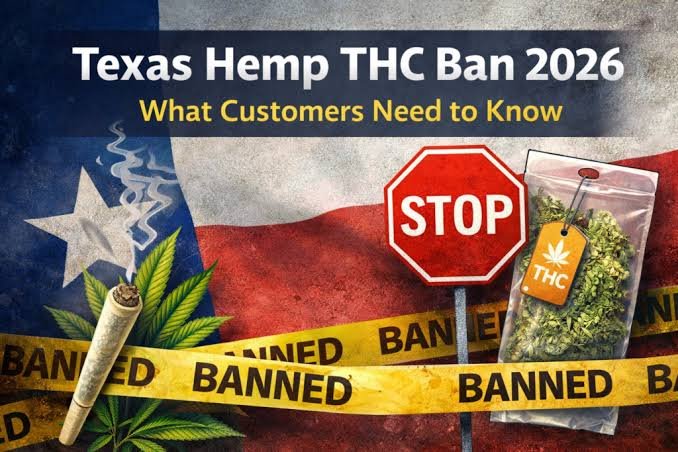
Operational planning in the hemp sector incorporates regulatory positioning as a core variable rather than a peripheral compliance consideration. Procurement frameworks, supplier agreements, and distribution contracts are each structured around current classification standards before any new market activity is confirmed. Internal compliance teams run verification cycles that cover federal and state positioning independently rather than under a single consolidated review. Planning teams that bypass structured verification encounter documentation gaps mid-cycle. Confirming is thca legal in 2026 active distribution markets means operational planning adjusts across procurement, supplier management, and distribution simultaneously.
Regulatory requirements do not operate uniformly across all jurisdictions, which means planning teams assess each active market against its own classification standard rather than applying a single consolidated framework.
Operational planning framework
Hemp sector operational planning follows a structured framework that connects regulatory positioning to procurement, distribution, and supplier management as integrated functions rather than separate departmental responsibilities.
Core framework elements include:
- Regulatory monitoring that tracks federal and state classification updates on independent timelines.
- Procurement alignment that confirms compound eligibility before volume commitments are entered into supplier agreements.
- Distribution scope assessment that adjusts geographic coverage when jurisdiction-specific classification status shifts.
- Contract contingency language that defines renegotiation procedures when classification positioning changes during an active supply period.
Supplier management alignment
Supplier management processes in the hemp sector align directly with regulatory requirements rather than operating on standard commercial timelines alone. Suppliers connected to compound-specific product lines are evaluated against current classification documentation before any new supply arrangement is activated.
Operators request third-party verification certificates, compound-specific compliance records, and jurisdiction-aligned eligibility confirmations from suppliers as part of standard onboarding. Suppliers that maintain current documentation across all three categories are processed faster during regulatory update periods. Those that require documentation updates before review can proceed extend the overall timeline for activating new supply arrangements within affected markets.
Distribution schedule adjustments
Distribution schedules in the hemp sector adjust when regulatory requirements shift across active markets. Operators managing multi-state distribution networks build adjustment procedures into their planning frameworks rather than initiating schedule changes on an ad hoc basis when classification updates are issued.
Schedule adjustment procedures cover:
- Jurisdiction-specific delivery timeline reassessment where classification changes affect logistics arrangements.
- Volume commitment review against updated compound eligibility across affected distribution regions.
- Retail partner notification confirming revised delivery schedules and updated product eligibility status.
- Internal sign-off confirmation before adjusted schedules are issued to logistics and warehouse teams.
Compliance cycle integration
Compliance cycles in the hemp sector are integrated into operational planning rather than managed as separate administrative functions. Federal and state regulatory update schedules inform planning cycle timelines, with internal review processes activated ahead of anticipated classification updates rather than initiated reactively after confirmation.
Operators that integrate compliance cycles into standard operational planning maintain cleaner documentation records and respond to regulatory updates with less disruption across active supplier agreements, distribution contracts, and retail partner arrangements.
Operational planning in the hemp sector functions most effectively when regulatory requirements are treated as active planning inputs rather than background compliance conditions. Procurement alignment, supplier management, distribution scheduling, and compliance cycle integration all adjust directly when classification positioning shifts across federal and state jurisdictions.